The Cost of Fitting In
before we dive in, a book recommendation
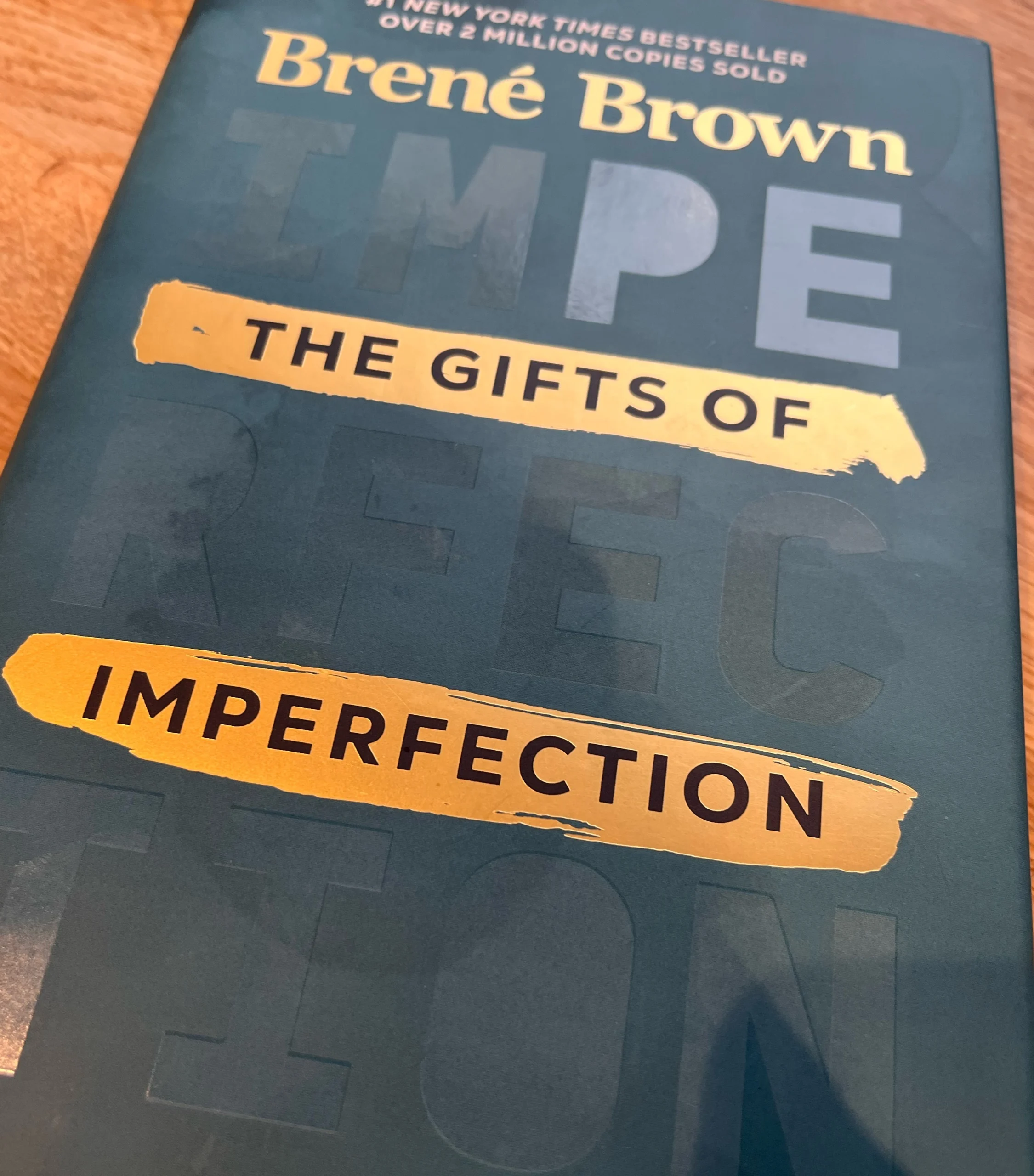
Brené Brown’s The Gifts of Imperfection introduces the concept of “wholehearted living,” encouraging us to cultivate courage, compassion, and authenticity while releasing perfectionism, comparison, and the need for approval. The book shows that when we allow ourselves to be imperfect, we open the door to deeper connection, joy, and self-acceptance.
The Cost of Fitting In
Have you ever noticed how tiring it can be to try to fit in? Trying to be someone you think you should be for other people? To say what you think people want to hear, to behave in the “right” way, to quietly change yourself so you don’t stand out too much.
For years I tried to fit in, doing everything I could to mould myself into the person I thought other people wanted me to be. As much as I tried, and as much effort as I gave it, I didn’t fit in, I was never meant to, and it was exhausting trying.
Over time though, something interesting happens. The more we try to mould ourselves to expectations, the more disconnected we can start to feel from who we really are and we lose ourselves in the process.
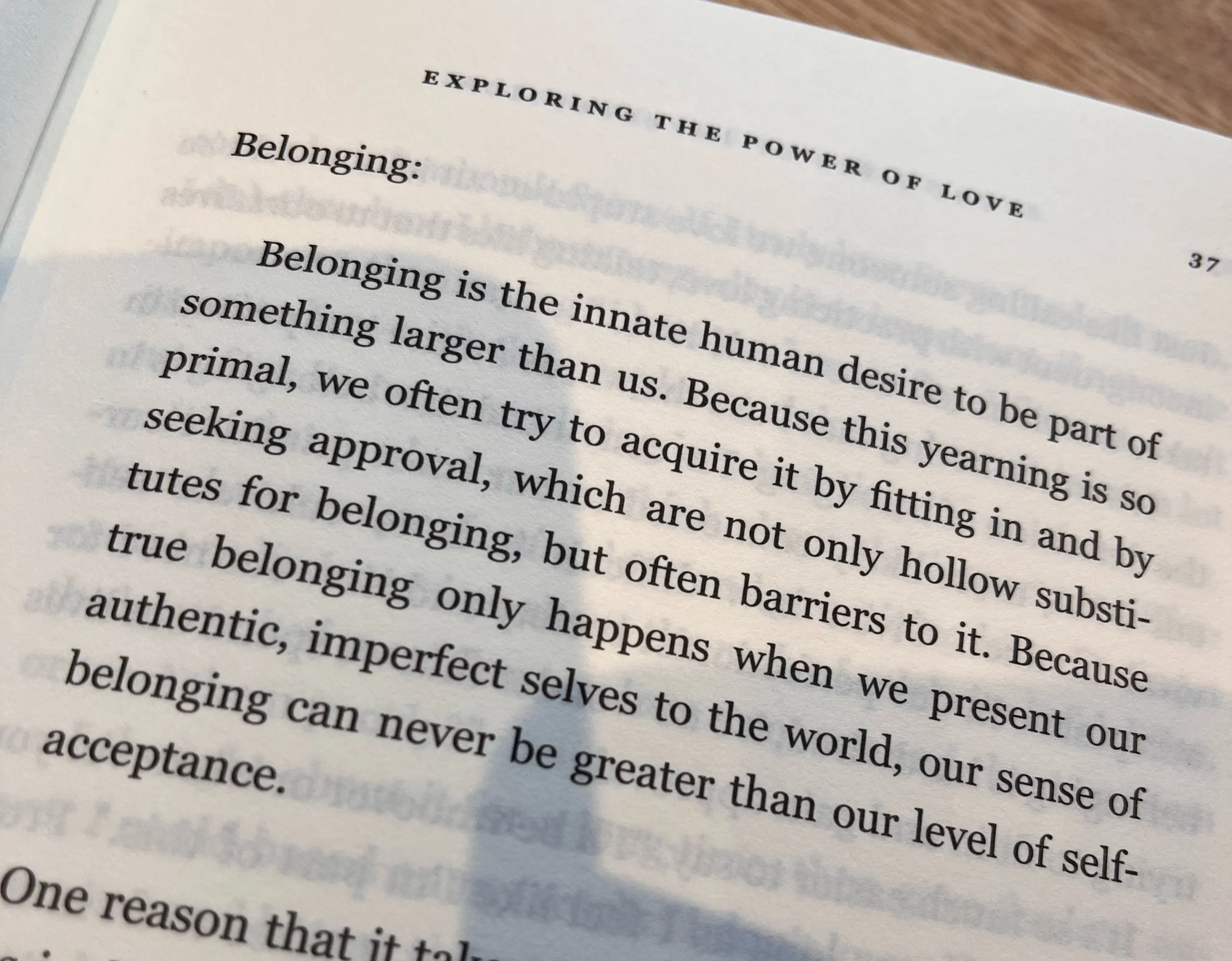
So what's the difference between fitting in and belonging?
What horses can teach us about living in alignment
The same is true for us humans
I think the same is true in life. When we allow ourselves to show up as we are, we may not belong everywhere but we often connect more deeply where it truly matters.
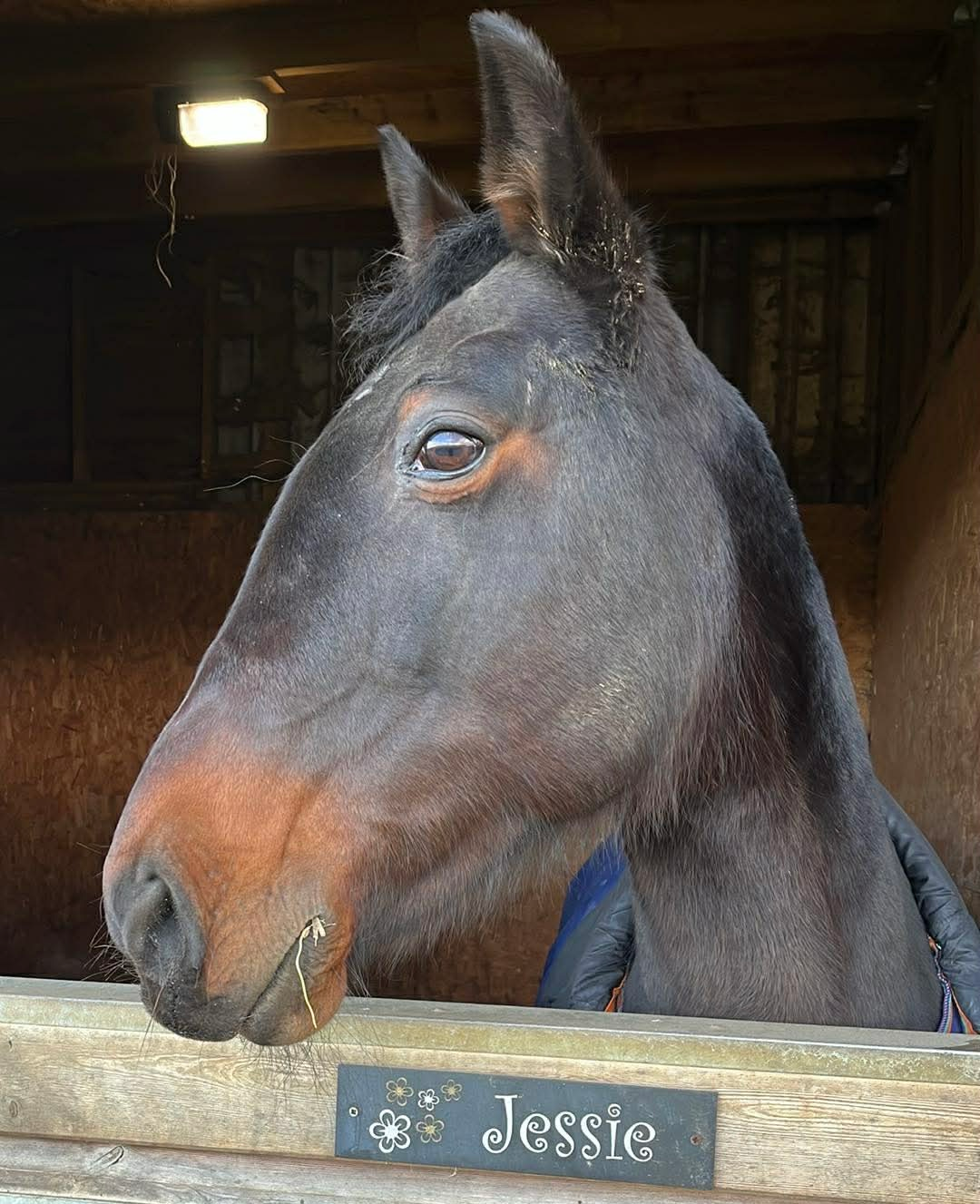
I had to show up as the real me for Jessie and as that got easier, it also became easier to show up authentically in other areas of my life, because it became second nature with her.
When you start showing up authentically, it can be a bit scary, but the more you do it, the more confident you become and eventually it’s just who you are.
These days I don’t try to fit in. I know what it feels like to truly belong. I’m intentional about where my energy goes, and if it doesn’t belong somewhere, that’s ok – I move on so I can belong in the right places with the right people, accepting that not everyone is for me, and I’m not for everyone.
When you show up as yourself – relationships become more genuine, there’s a psychological safety that’s created through authenticity, you attract the right people into your life and you have more energy because you’re no longer performing to fit in. When people show up consistently more honestly as themselves, people feel it, just like horses feel energy, so do we and it’s that authenticity that creates trust.
So here’s a couple of questions to reflect on,
Where in your life do you feel most like yourself?What would change if you stopped trying to fit in?
 English